Welcome to our Used Car Market Research Banks GA resource, created to help drivers in Banks County make confident, data driven decisions. On this page you will find insight into local pricing trends, average mileage by body style, best value model years, and what to expect at inspection and registration in Georgia. We also explain financing paths for a range of credit profiles, including second chance options available across nearby counties. If you want to see real world examples, browse our current vehicles in Used Inventory and compare with Sold Inventory to understand turn rates and typical equipment. For deeper learning, check the Blog for buyer guides and our About Us page to see how we evaluate trade ins and recondition vehicles. Whether you plan to shop SUVs for family needs or a fuel saving sedan for your commute, this guide brings Banks County market clarity to your next used car decision.
This Used Car Market Research Banks GA page summarizes the local landscape so you can time a purchase, compare trims, and plan a realistic budget. You will see how demand shifts across seasons, how mileage affects price in our region, and how second chance auto financing in counties like Hall, Gwinnett, and Fulton can support a credit rebuild. Use these insights alongside our inventory tools to match value with your driving needs.
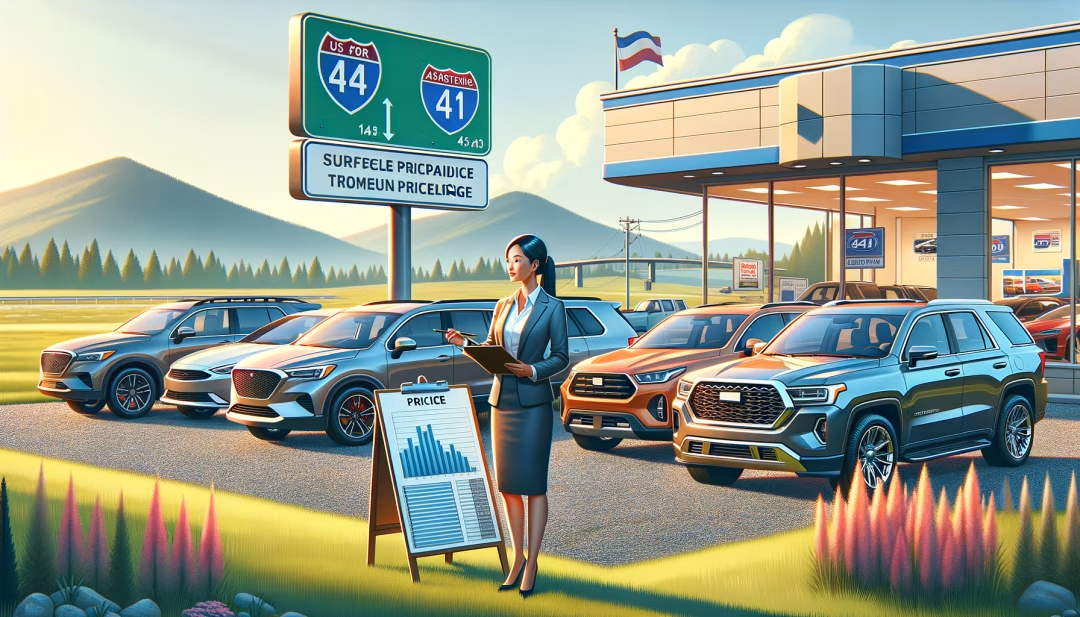
Used Car Market Research Banks GA is about understanding how vehicles are priced, how quickly they sell, and which models deliver the most value around Banks County and nearby communities. Local factors such as commuter routes along I 85 and US 441, rural road usage that favors trucks and SUVs, and seasonal demand shifts all influence pricing and availability. When you know the patterns, you are less likely to overpay and more likely to land the right features for everyday driving.
Prices are set by a mix of age, mileage, condition, trim and equipment, ownership history, and regional demand. Trucks and SUVs typically keep stronger resale in North Georgia due to utility, towing, and weekend travel. Compact and midsize sedans remain popular for budget friendly commuting when fuel prices rise. In our local data, vehicles with consistent maintenance records, clean titles, and modern safety tech see faster sale cycles and narrower negotiation ranges.
Mileage is a key indicator, but condition tells the full story. Highway miles, documented oil changes, and timely services can keep a higher mileage vehicle performing well. In Banks County, used trucks frequently average higher miles due to work use, so compare condition and service history before ruling out a solid candidate. Always review a vehicle history report, confirm recall status, and examine any signs of flood or structural damage.
Seasonal shifts affect supply, buyer traffic, and pricing. Spring often brings more trade ins and a wider selection. Late summer and early fall can tighten supply as families finalize school transportation. Around year end, some buyers seek tax planning opportunities, while dealerships manage inventory turns, which can influence pricing dynamics. Watching these rhythms helps you time a purchase to your advantage.
Create a total cost plan that goes beyond the price on the window. Factor in taxes, title, registration, insurance, and any near term maintenance. In Georgia, Title Ad Valorem Tax applies at the time of purchase. Banks County does not require emissions testing for registration, which lowers ongoing costs compared to metro counties. Get insurance quotes in advance to avoid surprises, and consider a pre purchase inspection on older or high mileage vehicles.
Many Banks County buyers use financing to spread out ownership costs. If your credit is strong, you can usually choose among bank, credit union, or dealership lender programs. If your credit history has late payments or limited depth, second chance auto financing can provide a structured path to ownership while building positive payment history. Regional options are available in counties such as Hall, Gwinnett, Fulton, and Clarke, and we can help you compare terms to find a comfortable payment plan.
Your lifestyle and roads matter as much as the sticker price. Families often favor midsize SUVs with third row seating for weekend trips across North Georgia. Tradespeople tend to prefer half ton trucks for payload and towing on job sites. Commuters who split time between Banks County and nearby hubs may enjoy compact sedans or hybrids for fuel savings. If you explore gravel or rural routes, select trims with ride height, all wheel drive, and protective features.
If you plan to trade in, clean the vehicle, document maintenance, and gather spare keys. Small reconditioning like wiper blades or interior detailing can improve presentation. Be realistic about accident history and aftermarket modifications since these can affect valuation. For perspective on resale trends, compare similar units in our Sold Inventory and current Used Inventory.
Bring a valid driver license, proof of insurance, and be prepared to complete title and registration forms. Georgia residents pay Title Ad Valorem Tax at purchase. Most buyers in Banks County will not need an emissions test for registration. If you recently moved to the state, confirm your county requirements and update insurance to reflect your new garage address.
Use our site to compare trims, features, and photos across models. Studying recent sales in our Sold Inventory helps anchor expectations so you can recognize a fair deal when you see it. Our Blog covers maintenance intervals, inspection checklists, and buyer education pieces tailored to Georgia registration and insurance rules. If a nearby county is more convenient for financing or pickup, browse our other market research pages to gauge regional differences.
With Used Car Market Research Banks GA, you can evaluate the right time to buy, match features to your daily routes, and plan the total cost with confidence. A balanced target often includes a vehicle that is three to five model years old, carries documented maintenance, and aligns with your budget plus a maintenance reserve. If you need flexible credit solutions, second chance programs in neighboring counties can help you secure transportation while building credit. Finally, organize your paperwork, confirm insurance, and plan a thorough test route that mirrors your real driving so your choice performs the way you need every day.