Welcome to our used car market research hub for Ware GA. If you are shopping in Waycross and the surrounding Ware County communities, this page helps you compare options, understand pricing, and plan a confident purchase. We translate market signals into simple steps so you can decide what to buy, when to buy, and how to budget. Explore local trends, see how supply and demand can move prices, learn how mileage and condition affect value, and discover how to benchmark listings using comparable vehicles. We also outline ownership costs in Georgia, financing preparation, and inspection checklists to avoid common surprises. Use this guide alongside our online tools to narrow your search and keep negotiations fact based. When you are ready to browse, you can review current vehicles in our used inventory or study past sales to understand real world pricing in our area.
Market research pays off when you apply it at every step. Bookmark this page, compare active listings against recent sales, and bring your notes on test drives. If you want deeper insights, read our blog for tips, learn about our team, or reach out with questions. Our goal is to help Ware GA shoppers choose the right vehicle at the right price with clear, local data.
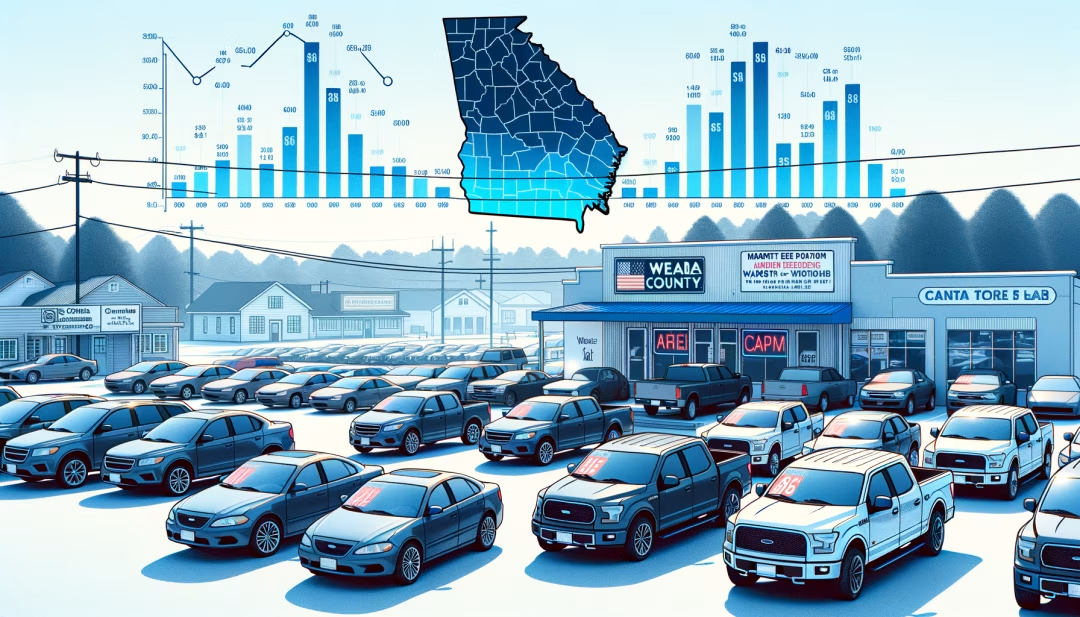
The used car market in Ware GA moves with the same national forces that shape prices everywhere, but local supply and buyer needs play a big role in what sells fast and what negotiates lower. Drivers in Waycross and surrounding areas value dependable daily transportation for commutes, flexible SUVs for families, and capable trucks for work and recreation. When more shoppers chase the same body styles, prices and days on lot change in predictable ways.
Accurate market research starts with a consistent set of comparable vehicles. Aim for at least five to ten comps within about 150 miles of Ware County to balance local and regional pricing. Match year, trim, drivetrain, options, and mileage bands as closely as possible. Verify condition from photos and descriptions, and note any reconditioning investments that add value, such as new tires, new brakes, or a timing belt service on certain models.
When you are ready to apply these steps to real listings, review available vehicles in Used Inventory and compare against real world outcomes in Sold Inventory. Together, these pages help you spot fair prices and strong values.
Body style preferences vary by household and job needs. In Ware and neighboring counties, shoppers often balance fuel costs with capability and space. Compact and midsize sedans remain reliable value picks for commuting and students. Small and midsize SUVs are popular for families and weekend travel thanks to cargo space and all weather capability. Full size trucks serve trade professionals and drivers who tow boats, campers, or trailers. If you expect to carry seven or eight passengers, three row SUVs or extended cab trucks are worth a look.
Most vehicles depreciate more quickly in the first years, then slow as they age. Large price steps often appear near warranty changes and around well known service intervals. You can use these points to find value or anticipate negotiation pressure.
History reports and a careful inspection reduce risk significantly. Review title status, prior accidents, open recalls, and maintenance records before negotiating. Accident history does not always disqualify a great vehicle, but the severity and quality of repairs matter. In the Southeast, it is also smart to check for signs of moisture intrusion such as mildew odors, foggy headlights, or corrosion on seat rails and electrical connectors.
Budgeting only for the sticker price can hide the real cost of ownership. Build a complete picture that includes taxes and fees, insurance, maintenance, fuel, financing costs, and expected resale value. In Georgia, taxes and fees vary by county and vehicle details. Contact your local tag office for total estimates before you finalize a deal. Insurance quotes can change by trim and safety features, so it helps to compare VIN specific quotes on your finalists.
A little preparation can lower your total cost. Check your credit reports for accuracy, set a budget that fits your monthly comfort zone, and gather proof of income and residence. A larger down payment can reduce your interest expense and improve approval likelihood. If you are building or rebuilding credit, consistent payment history matters more than speed. You can also explore second chance resources on our site to learn how approvals work and what documents help your application stand out.
Use your comparable set to guide a fair offer. Start with the midpoint of true comparables, adjust for mileage differences, options, and recent reconditioning, then consider time on lot and demand for that body style. If your target vehicle shows unique value such as new tires, premium safety tech, or a clean one owner history, expect to be closer to the higher end of the range. If it lacks features common to comps or needs service soon, your target can trend lower. Keep your notes simple and reference them calmly during the conversation.
If you have a trade, maximize its value before an appraisal. Clean the interior, wash and lightly detail the exterior, and bring maintenance records and both keys. Compare instant buyer quotes and local appraisals so you know the floor value of your vehicle. If new tires, brakes, or a recent service are documented, highlight those items. Be transparent about condition to keep estimates consistent across buyers.
Our site provides two key resources for market research. The first is current listings, which show active pricing, features, photos, and mileage. The second is a record of recent sales that helps you understand where similar vehicles actually transact. If you are early in your search, start with broad filters by body style and price, then narrow by mileage, features, and color once you see how each choice affects supply.
Broader searches can surface better matches and reveal price differences within driving distance. Reviewing nearby county pages helps you benchmark before you commit. If you find similar vehicles priced differently across counties, verify options and mileage and consider the total travel time and inspection plan.
Use these pages to learn more about our process, policies, and support resources.